

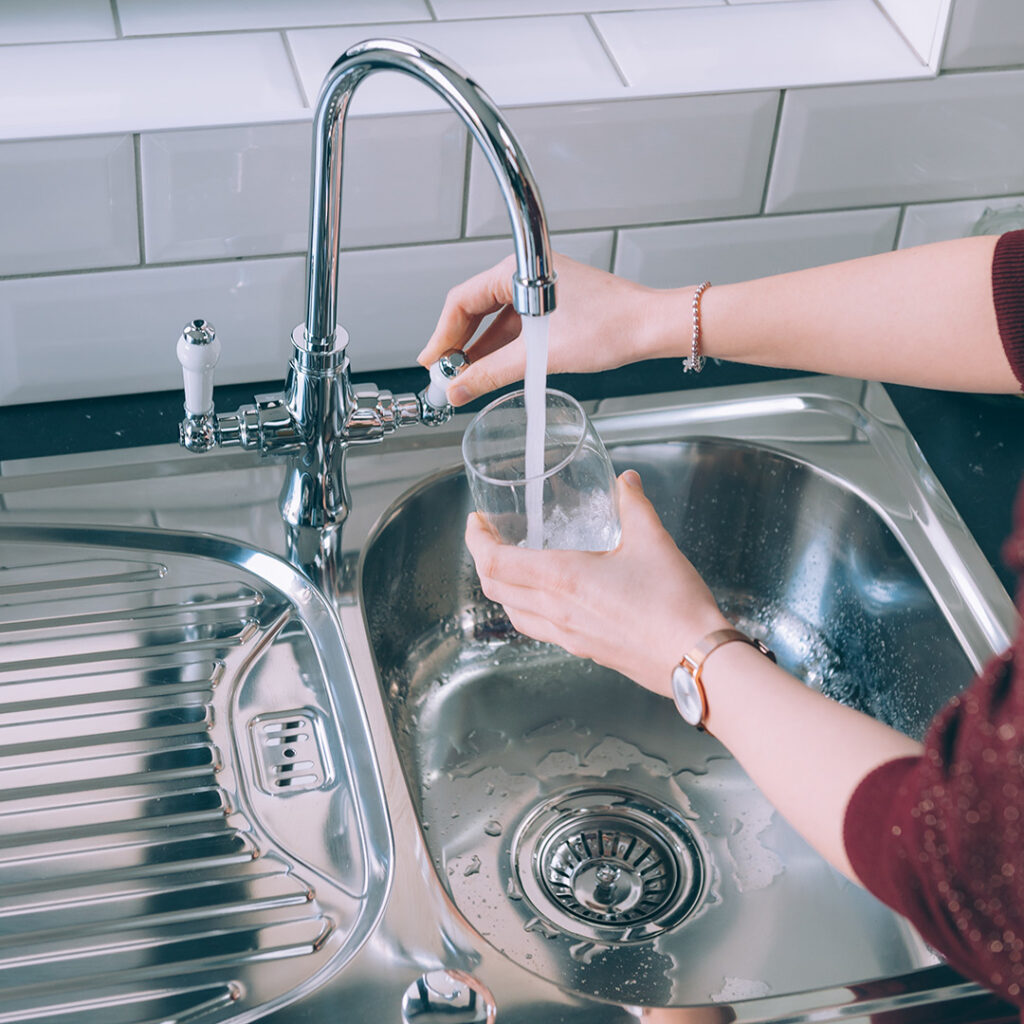
Have you ever felt tired despite getting proper sleep or having a relatively relaxed day? While factors like stress, diet, and sleep habits are usually the first things we consider, at times, tiredness is caused by insufficient water intake. Dehydration and the quality of your water can influence energy levels and the way you feel throughout the day. Let’s take a closer look at how water quality and energy levels are connected.
Does Water Actually Give You Energy?
Water does not provide energy in the way food does, but it supports the systems in your body that produce and maintain energy. When you are well-hydrated, your body functions better, circulation improves, and your brain functions more efficiently. When you are even slightly dehydrated, it becomes difficult for the body to perform everyday functions. This then shows up in the form of fatigue, brain fog, and sluggishness.
How Dehydration Affects Your Energy Levels
Your body requires water to transport oxygen and nutrients through the bloodstream. During dehydration, blood volume decreases, and the transportation of oxygen and other vital nutrients becomes less efficient. As a result, the muscles and brain struggle to function properly.
Even mild dehydration can cause issues. You may notice difficulty in concentrating, constant headaches, or a general lack of motivation. Although you may ignore these signs, thinking they are normal, over time, they can affect your daily productivity and mood.
Why Water Quality Matters More Than You Think
While drinking enough water is important, the quality of the water is equally important. Drinking tap water that contains impurities or has an unpleasant taste or odor can affect your health and hydration habits. The water supply at many homes contains chlorine, sediments, heavy metals, or excess minerals. Even if these impurities are within acceptable limits, they can affect how your water tastes and how frequently you drink it.
The Hidden Link Between Poor Water and Fatigue
When water does not taste fresh or has an odd smell or taste, you naturally won’t feel like drinking it. This often leads to mild dehydration and low energy levels. Even if you drink sufficient water, if it contains contaminants, your body has to put in extra effort to filter and process those substances. Although this does not cause immediate symptoms, it can make you feel sluggish and fatigued. Hydration also affects brain performance. If your water intake is low or inconsistent, you may find it difficult to focus and think clearly.
How Better Water Can Support Better Energy
Improving water quality is one of the most practical ways to boost hydration and achieve better energy levels. Professional water testing can help find the contaminants that may be hidden in your water. Based on the results, you can install a water filtration system that effectively removes those impurities and provides a steady supply of quality water. Once your water starts tasting clean and refreshing, staying hydrated automatically becomes easier.
Contact Atlantic Coast Water Clinic to find an advanced system for water filtration in Vero Beach. Our team can help you choose the right solution for your home based on your specific water quality.